Royal Society of SA Medals
Awardees 2026

Name: Professor Robin Crewe FRSSAf
Award: The John F W Herschel Medal for 2026
Motivation:
For his highly valuable contribution to academia and his research outputs on entomology, and especially bees. Robin Crewe is a behavioural ecologist who established the Communication Biology Research Group (CBRG) at Wits with several colleagues and later the Social Insects Research Group (SIRG) at the University of Pretoria. He has undertaken many executive roles and was the founding Director of the Centre for the Advancement of Scholarship, also at the University of Pretoria. He is a Fellow of many international organisations and has won many awards nationally and internationally.
More on Robin's Research
Robin Crewe’s career as a research scientist began at the University of Natal (now the University of KwaZulu Natal) and developed through moves first to the University of the Witwatersrand in Johannesburg and subsequently to the University of Pretoria.
At the University of the Witwatersrand, he established the Communication Biology Research Group (CBRG) with a number of colleagues in the Department of Zoology and was its Director for a decade. In addition to leading the research group, he was appointed successively as Head of the Department of Zoology, Deputy Dean of the Faculty of Science and then Dean of the Faculty of Science. Although he had a significant administrative burden, he maintained his research activities through the CBRG. Robin was also active during this period in professional scientific activities in a variety of organizations both nationally and internationally. Robin Crewe is currently a B1 rated scientist and has published 146 papers that have resulted in 6503 citations with an h-index of 46. He has successfully supervised 16 MSc and 18 PhD students during his academic career.
In 1997, Robin moved to the University of Pretoria as the Dean of the Faculty of Biological and Agricultural Sciences and established the Social Insects Research Group (SIRG) within the Department of Zoology and Entomology. Subsequent to his initial appointment, he served as Dean of the Faculty of Natural and Agricultural Sciences, Vice-Principal: Research and Postgraduate Studies, and finally as acting Senior Vice-Principal. Robin retired from the executive of the University in June 2013 and he was appointed as founding Director of the Centre for the Advancement of Scholarship that was a newly established multidisciplinary Centre whose function was to encourage scholarly communication across the University. Robin is currently a research fellow in the Centre.
While undertaking his substantive executive functions, he maintained and expanded the activities of the SIRG. This was possible first through the recruitment of post-doctoral fellows who assisted him in maintaining the intellectual and practical momentum of the research group, and second through the appointment of one of the post-doctoral fellows, Prof Christian Pirk, to an academic position within the department.
Robin has received the following awards and been involved in the following research related activities in the recent past. In 2009, he was elected a fellow of the World Academy of Sciences (FTWAS); in 2013 he was elected a fellow of the African Academy of Science (FAAS) and also awarded the Gold Medal of the Academy of Science of South Africa for meritorious service. In 2013, Robin was the recipient of the Harry Oppenheimer Fellowship Award for 2012. This award provided support for the work of the SIRG and to facilitate the writing of a book together with his colleague Prof Robin Moritz who is at the Martin-Luther-University Halle-Wittenberg in Germany.
Robin was included in the Academy of Science of South Africa (2017) Legends of South African Science: doi: http://dx.doi.org/10.17159/assaf.2016/0012. He was the recipient of the NSTF-South32 Award for a contribution over a lifetime in 2019. In addition, Robin was made an honorary life member of the Entomological Society of Southern Africa. In 2020, he received the Vice-Chancellor’s book award for his book co-authored with Prof Moritz entitled The Dark Side of the Hive: The evolution of the imperfect honey bee. In 2026, he was awarded a STIAS fellowship to continue work on a book documenting the unique biology of the Cape honey bee.
Name: Professor Emerita Lyn Wadley FRSSAf
Award: The John F W Herschel Medal for 2026
Motivation:
For the impact of her multi-disciplinary work, her listing on the Thomson-Reuters High Citation list for the top 1% of researchers globally over a 10-year period. Lyn Wadley has worked on archaeological excavation and interpretation, especially using techniques from other disciplines, as diverse as entomology and physics, to reveal complex early human behaviour. When skilled researchers are difficult to find, she acquires the necessary skills herself. She showed that people 170,000 years ago brought corms to their home base for sharing as carbohydrates, demonstrating social behaviour including planning which is associated with modern cognition. She found mats of ash under several Border Cave bedding layers that would have deterred ticks and crawling insect pests, and aromatic plants which would have deterred mosquitoes.
More on Lyn's Research
Lyn Wadley is an honorary research professor in the Evolutionary Studies Institute, University of the Witwatersrand. Her research is largely dedicated to the cognition of people who lived in the past. Since daily activities can be proxies for cognitive attributes, she has experimentally replicated Stone Age tasks such as heat treatment of rocks and colouring material, and hafting of stone tools with adhesives made from natural products. This work suggests that even before 100 000 years ago, people had analogical reasoning and could multitask.
Lyn’s multidisciplinary research includes archaeological excavation, analysis of stone, shell and bone artefacts, and botanical fieldwork and microscopy to identify ancient plants used for food, medicine and bedding. For example, she studied the anatomy of plant parenchyma to enable the identification of 170 000-year-old Hypoxis rhizomes from Border Cave.
Lyn has authored many scientific papers, and her recent (co-authored) books include “Rock Art of the Waterberg” and the botanical field guide “Wildflowers of the Waterberg”. She has excavated at long-sequence sites like Rose Cottage Cave, Sibhudu and Border Cave, and she now heads a Stone Age excavation programme in the Waterberg, Limpopo Province. She is an NRF A1-rated researcher, a Fellow of the British Academy and Fellow of the Royal Society of South Africa.


Name: Professor Marietjie Venter FRSSAf
Award: 2026 Marloth Medal
Motivation:
For her contribution to research and global leadership in promoting the One Health approach in epidemic and pandemic preparedness for emerging and re-emerging diseases in particular zoonotic vector-borne (arbo-) and respiratory viruses. Through multi-disciplinary research, Prof Venter established One Health early detection systems for arbo and respiratory viruses using syndromic and genomic surveillance, developed novel diagnostic tools and genomics for pathogen discovery in animals, humans and the environment. Her research described the epidemiology, evolution, pathogenesis and vectors of several neglected and novel viruses as well as viruses of international concern including West Nile virus, Influenza, RSV and SARSCOV-2.
More on Marietjie's Research
Prof Marietjie Venter (PhD Medical Virology) is an internationally-recognised One Health expert and leader in the field of emerging zoonotic arbo and respiratory viruses. She established One Health and genomic surveillance and research programmes for epidemic and pandemic prone pathogens of local and global health importance. She is a Distinguished Professor and NRF SARCHi Chair in Emerging Viral Threats at the University of the Witwatersrand. She serves on many national and international entities including the WHO advisory group on RSV, Influenza and arboviruses and is chairing the scientific advisory group on the origins of novel pathogens. She has been a champion for One Health and epidemic and pandemic preparedness serving in several leadership roles translating science into policies.
Awardees 2025
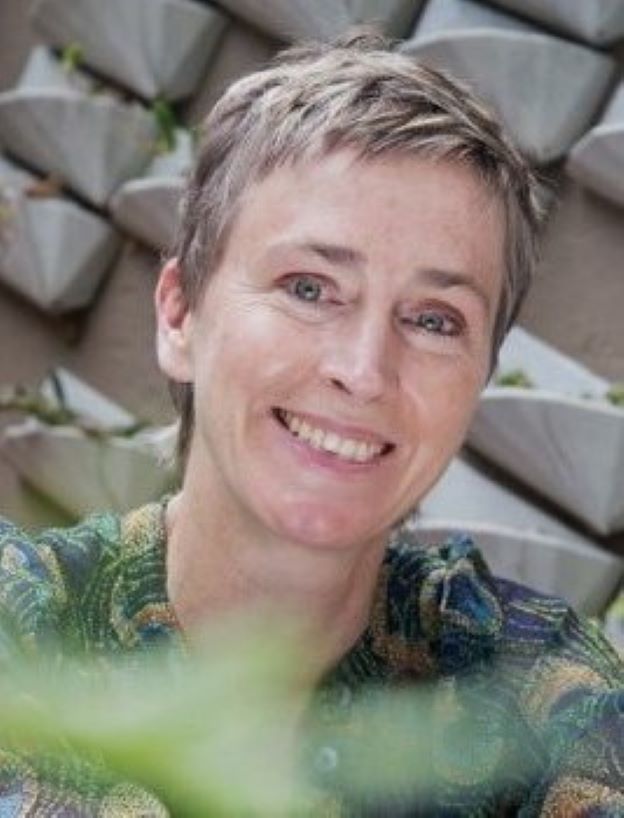
Name: Professor Sally Archibald FRSSAf
Award: The John F W Herschel Medal for 2025
Motivation:
For her outstanding contributions in evolutionary biology, functional ecology, fire ecology, climate science, and ecosystem management which have profoundly enhanced our understanding of grassland ecosystems and their complexities. By integrating insights from various disciplines, her research has been crucial in tackling intricate ecological issues and developing effective conservation and management strategies. Her notable achievements and groundbreaking ideas have garnered esteemed grants and leadership positions, amplifying her impact on global biodiversity conservation and climate mitigation efforts. As a dedicated mentor and educator, she remains a source of inspiration and guidance for the next generation of scientists, continually advancing knowledge within her field.
Name: Professor Peter Vale FRSSAf
Award: 2025 Marloth Medal
Motivation:
In a five-decade career, he has significantly contributed to Political Science, International Relations, Social Theory and African Studies. He has been one of the leading scholars on peoples-centred approaches to security, especially in southern Africa. He was one of the early voices calling for decolonization of International Relations, and his works on decolonization have engineered a significant shift in disciplinary thinking. His contribution, however, reaches beyond ideas – he is a pioneer institution builder, the most recent of which is the Johannesburg Institute for Advanced Study.
More on Peter's Research
My current research revolves around four conceptual and methodical puzzles…
The future of the African State – this involves trying to understand the link between Maarten de Wit and John Anderson’s notion of ‘African Live Corridors’ and the practice of state-based politics in Africa. This work involves attempts to bridge the conceptual and methodological divide between the Sciences and the Humanities including the social sciences.
Recent publication: “Africa Alive Corridors: Transdisciplinary research based on African footprints”, (2024) GEOHERITAGE, 16.63. pp. 1-23/ DOI 10.1007/s12371-024-00964-8
How ‘the International’ came to South Africa – Using constructivist (and other) theory, this is a series of interventions on the ‘transportation’ and ‘integration’ the idea of “the international” was absorbed into political and popular discourse in the making of the South African state. The resulting provocations will be drawn together in a book. Recent Publication: Vale, P & Thakur, V, “The Commonwealth” in Ulf Engel, Jens Herpolsheimer and Frank Mattheis (eds.) 2024. Globalisation Projects of Regional Organisations. Berlin, Boston MA: De Gruyter Oldenbourg.
State Capture and its Afterlives – Co-editing the second in a series of books on this issue with colleagues from PARI (the Public Affairs Research Institute). Recent Publication: Buthelezi, M., & Vale, P. (Eds.) 2023. State Capture in South Africa: how any why it happened. Johannesburg: Wits University Press. 288 pp.
Security and Defence in Africa: Characteristics, Changes and Impacts on Brazil’s Strategic Environment – This research seeks to contribute to the expansion and deepening of scientific understanding and on the main dynamics, strategic partnerships and security and defence policies of the African continent, assessing impacts on Brazil’s Strategic Surroundings and alternatives for strategic action. This work is with colleagues at the Federal University of Santa Maria.
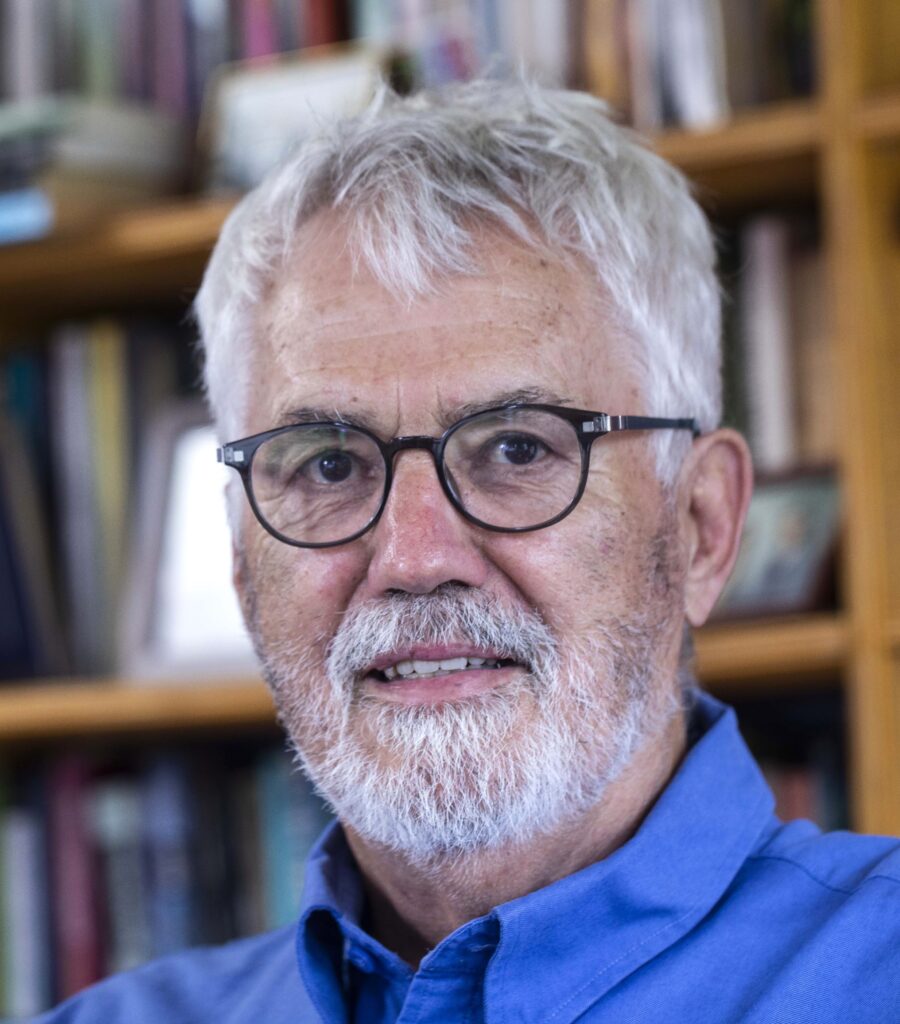

Name: Dr Mitchell Cox
Award: 2025 Meiring Naudé Medal
Motivation:
For major contributions to the field of Electrical and Information Engineering and Structured Laser Light Photonics. He is a remarkable early-career scientist who has made significant strides in free-space optics and structured light, pushing the boundaries of knowledge. His pioneering work holds the promise of bridging the digital divide and fostering a more equitable society. With a steadfast dedication to research excellence, an impressive record of publications, active academic involvement, and international collaborations, he stands out as a rising star in the global optics and photonics field and thus well-deserving of this prestigious Medal.
More on Mitchell's Research
Lighting up wireless optical technologies
Imagine high-speed internet beaming across a street from a fibre-connected suburban home to a school in a nearby informal settlement, using a largely 3D-printed, low-cost device with some custom electronics. This vision drives Dr. Mitchell Cox, recipient of the prestigious Meiring Naudé Medal, in his groundbreaking work at the Wits OC Lab. His mission is to bridge the digital divide in South Africa by tackling the complex scientific and engineering challenges needed to develop innovative wireless optical communication systems.
In South Africa, many communities live close to fibre-optic infrastructure, but connecting that final stretch remains a significant hurdle due to cost and logistical challenges. Dr. Cox and his team are designing, building, and testing systems that use beams of light to transmit data through the air—a technology known as wireless optical communication. They focus on creating devices that can be used to provide reliable, high-speed internet access to underserved areas.
One of the main challenges they face is that light beams travelling through the atmosphere can become distorted due to changes in air density and temperature—similar to the shimmering effect you see above a hot road. These distortions cause errors in the transmitted data, making communication unreliable. Traditionally, expensive electronic equipment is used to correct these errors. However, Dr. Cox is creatively using off-the-shelf hardware in innovative ways not originally intended by manufacturers, alongside cutting-edge optical methods, to correct distortions in real time. This approach makes the system more efficient and affordable.
Taking this a step further, Dr. Cox is exploring optical artificial intelligence (AI) to enhance their systems. By implementing optical AI, they aim to reduce the burden on the parts of the system that handle the electronic side of processing data. Using optical fibres to perform complex calculations at the speed of light, they manipulate patterns of light to create an optical neural network—an experimental system that mimics how the brain works, but with light. This might not only improve wireless optical communication, but also has the potential to serve as optical co-processors in future large-scale AI systems, making computations faster and more energy-efficient.
Dr. Cox’s leadership has transformed the Wits OC Lab into a world-class facility. Supported by the University of the Witwatersrand, Johannesburg, and enriched by international collaborations, the lab is at the forefront of wireless optical communications research. He mentors a dynamic team eager to push the boundaries of what is possible with light. At Dr. Cox’s lab, it’s about more than innovation; it’s about solving hard problems at the intersection of photonics and engineering to create a brighter, more connected future for all.
Name: Dr Simone Richardson
Award: Meiring Naudé Medal for 2025
Motivation:
For her major contribution to the fields of Virology, Immunology and Vaccine Design. Her interest in these related disciplines deeply enhances her understanding. Her scholarly contributions as an early career scientist are recognised by her outstanding publication record. The broad impact of her work is not only academic, as evidenced by the piece in Nature news, but also significant for society at large. She has international collaborators and has been successful in securing grants. Her service to the academic community conference organisation attests to her commitment to the academic environment. Finally, being named in 2021 by the UK government for her contributions is an outstanding achievement. She is undoubtedly a very worthy recipient of the Meiring Naudé medal.
More on Simone's Research
Simone is currently a Senior Research Scientist in the Antibody Immunity Research Unit of the National Institute for Communicable Diseases (NICD) and at the University of the Witwatersrand, South Africa, where she also completed her PhD. Her research focuses on the role of cytotoxic antibodies and their functions beyond neutralization or blocking of viral infection in effective vaccination as alternate correlates of protection. Spanning HIV, SARS-CoV-2, Cytomegalovirus, Respiratory syncytial virus and Influenza she also strives to engineer antibodies with improved polyfunctionality for passive immunization. The research aims to map the durability and targets of potent Fc effector functions in these contexts and assess how HIV co-infection alters immune responses. Ultimately, her program seeks to develop immunogens that reliably elicit both neutralizing and Fc effector responses across various viral infections, thereby enhancing protective immunity through vaccination strategies. She currently leads a small team of passionate immunologists and students and has been honoured as an early career fellow of two of the biggest HIV vaccine bodies, the HIV Vaccine Trials Network and the Collaboration for AIDS Vaccine Discovery and was the recipient of the prestigious Matilde Krim Fellowship in Biomedical Research from the Foundation of AIDS Research (amfAR) and the L’Oreal Women in Science fellowship. Since 2022 she has been part of the SAIS executive where she leads the communication portfolio.

Awardees 2024
Name: Prof Shabir Madhi
Award: John F W Herschel Medal for 2024
Motivation:
For his major contributions in the field of vaccinology and the related fields of epidemiology, immunology and infectious diseases, and in mother and child health, as well as the key area of vaccination policy and public health. His work has received significant national and international recognition and his contribution to recent global events, including through the National Institute for Communicable Diseases, the World Health Organisation, and during the recent COVID-19 pandemic, has exemplified his inspiring contribution to research and public health. The breadth, inter-disciplinary scope, and impact of his work have been outstanding as examples of the contribution of a dedicated member of the scientific community, well-deserving of the John FW Herschel Medal.
More on Shabir's Research
Professor Shabir Madhi’s current research focusses on the development of vaccines for pregnant women, which could confer protection to the women, their fetuses and offspring during early infancy. He remains involved in the clinical development of vaccines against respiratory syncytial virus, attributed to being the leading cause of hospitalization in children under-5 years of age. Furthermore, he remains dedicated to the development of a vaccine against group B streptococcus, the leading cause of serious community-acquired bacterial infection in neonates and leading infectious disease cause of stillbirths in South Africa. A new branch of research is on molecular and sero- epidemiology studies on invasive Klebsiella pneumoniae disease, a leading cause of multi-antimicrobial resistant hospital-acquired infections globally; which too is aimed at development of multi-valent vaccines targeted at pregnant women.
Name: Prof Dan J Stein
Award: John F W Herschel Medal for 2024
Motivation:
For his major contributions in the fields of neuroscience, clinical psychiatric research, and mental health epidemiology. His contributions to the field of clinical neuroscience in general, and anxiety and related conditions in particular, have exemplified excellence in truly multi-disciplinary research, and have brought well-deserved international recognition. His prodigious research publication record and contributions to public mental health further illustrate the breadth and impact of his work in a distinguished career, and we consider him a truly deserving recipient of this Medal.
More on Dan's Research
Dan Stein is Professor & Head of the Dept of Psychiatry & Mental Health at the University of Cape Town, and Director of the South African Medical Research Council Unit on Risk & Resilience in Mental Disorders. As a clinician-scientist he has contributed extensively to psychiatry, and particularly to work on anxiety and related disorders. To better understand and address these conditions, he’s taken a multidisciplinary approach, doing studies that range from basic neuroscience, through clinical research, and on to public mental health – and collaborating with epidemiologists, evolutionary scientists, geneticists, mathematicians, neuroimagers, pharmacologists, philosophers, and a range of health professionals

Name: Prof Michael Meadows
Award: 2024 Marloth Medal
Motivation:
For major contributions in the field of environmental and geographical science, covering the topics of Quaternary Science, Land Degradation, Remote Sensing, Geographical Education and Sustainability Science. His work has extended to the field of paleoecology, and the development of the next generation of scientists in the field. The transdisciplinary nature of his work as a physical geographer and sustained high level of scientific output, over four decades, as well as his service to his field and discipline, internationally and at home, make him a truly deserving recipient of the Marloth Medal.
More on Michael's Research
Michael Meadows is President of the International Geographical Union, Professor in the School of Geography and Ocean Sciences at Nanjing University and is a Senior Research Scholar in the Department of Environmental and Geographical Science at the University of Cape Town, where he was Head of Department from 2001-2017. Meadows has authored or co-authored more than 250 peer-reviewed research articles and edited several special editions of international journals. More substantial works include the co-edited Southern African Geomorphology (Sun, 2012) and Geomorphology and Society (Springer, 2016) and Geography of the Anthropocene (Istanbul University Press, 2023). He is currently co-editing a volume entitled Research Directions, Challenges and Achievements of Modern Geography (Springer). Meadows research interests lie broadly in the field of physical geography and more specifically concern Quaternary environmental change and the geomorphological and biogeographical impacts of geologically recent natural and anthropogenic changes. His research in China has focused largely on environmental changes of the Anthropocene, and embraces a wide range of topics from coastal land reclamation, to climate, vegetation, air and water quality changes due to human impact, and their implications for sustainability.
Name: Dr Isaac Mphele Nape
Award: Meiring Naude Medal for 2024
Motivation:
For his outstanding contributions in the field of quantum and classical optics, and the future-focussed development of quantum communication systems. Based on his very impressive track record and the importance of the work that he does, as well as his recognition, not only as an exceptional young South African contributing to science and technology, but also in achieving significant international recognition, we consider that he is a very worthy recipient of the Meiring Naudé medal.
More on Isaac's Research
Dr. Isaac Nape, a Lecturer at the University of the Witwatersrand, holds an MSc (with distinction) and a PhD from the School of Physics. His influential contributions to quantum and classical optics have garnered global acclaim, featuring prominently in journals like Nature Photonics, Science Advances, and Nature Communications. Notable accolades include the 2023 Jubilee Silver Medal from the South African Institute of Physics and recognition as one of South Africa’s top 200 young innovators by Mail & Guardian (2023). Currently serving as the Wits-IBM liaison, Dr. Nape is actively engaged in quantum photonics and quantum computing.
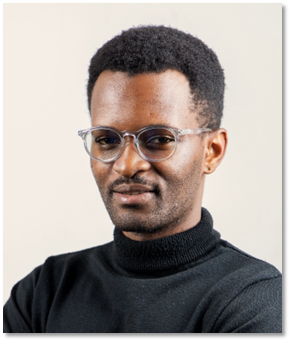
Awardees 2023
Name: Prof Luigi Nassembeni
Award: Marloth Medal for 2023
Motivation:
For his outstanding contributions to the use of X-ray crystallography in chemistry and material science that have made a massive impact in South Africa and beyond. He is a well-rounded scientist who has excelled in all aspects of research, teaching and service to the scientific community. His mentorship has had a profound influence on the research landscape of South Africa and he thus embodies the spirit of the Marloth Medal.
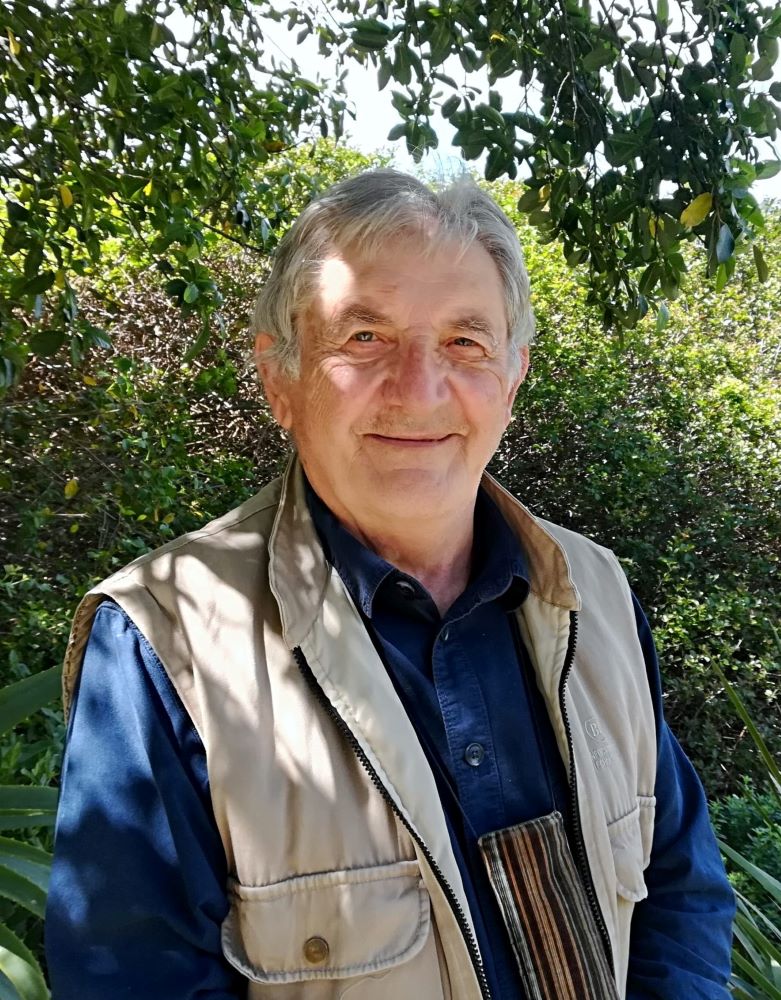
Name: Prof Brenda Wingfield
Award: John F W Herschel Medal for 2023
Motivation:
For studies the molecular genetics of fungi, particularly those that cause plant diseases. Her research contributed significantly to an understanding of species concepts and phylogenetic relationships for these fungi. She has pioneered the application of DNA-based research tools including genomics to the study of plant-associated fungi in South Africa, with many examples highlighting their relevance to the sustainability of forests and food security. She holds the DST-NRF SARChI research chair in Fungal Genomics, which provides the platform to support students and pursue her research interests.
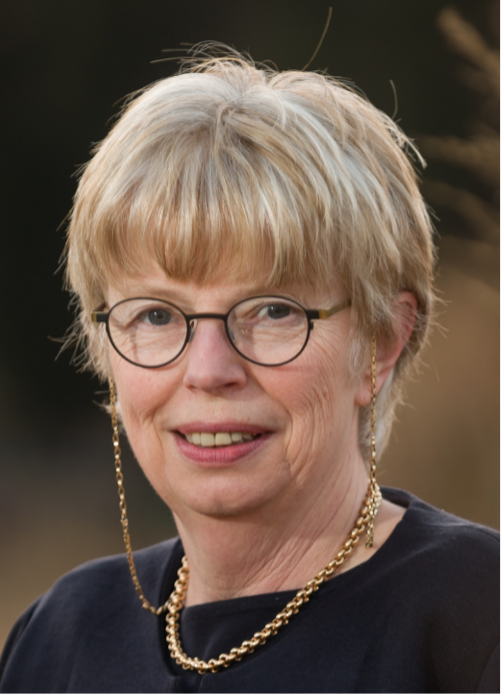

Name: A/Prof Jennifer Fitchett
Award: 2023 Meiring Naudé
Motivation:
Jennifer’s research is situated within the discipline of biometeorology, exploring climate change and its impacts on plants, animals and human communities. This includes reconstructing long-term climatic change over tens of thousands of years, exploring trends in contemporary climate dynamics, and investigating the impacts on changing flowering dates in plants, impacts on the tourism sector, and threats to human thermal comfort and health. She actively engages in science communication as the editor of the South African Young Academy of Science (SAYAS blog), writing regularly for The Conversation Africa, and hosting a podcast entitled Revise, Rebut and Resubmit.
Awardees 2022
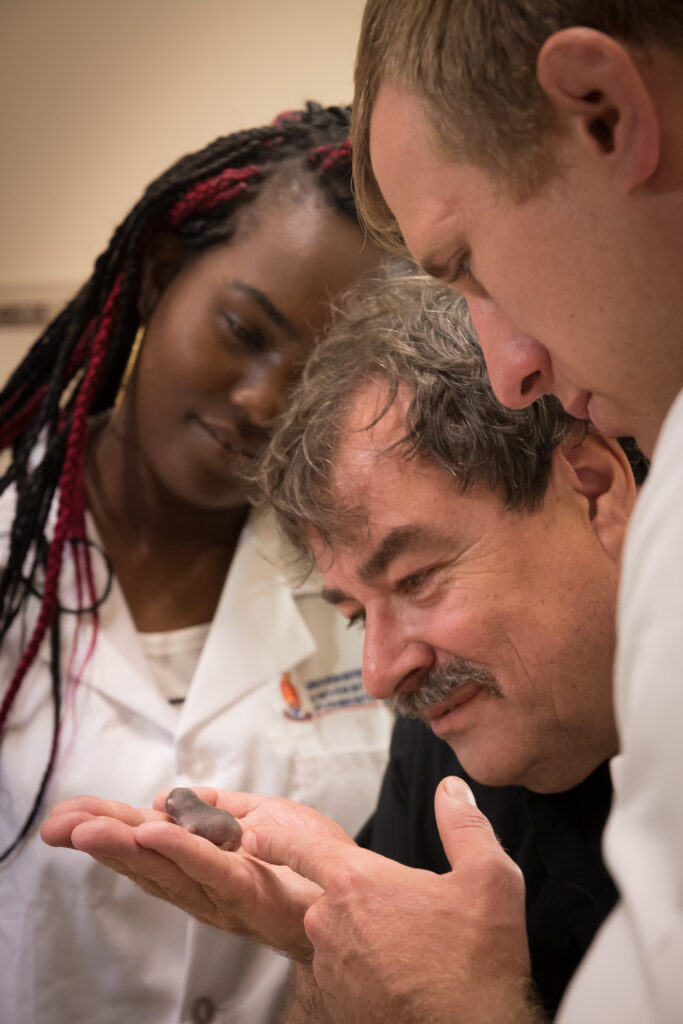
Name: Prof Nigel Bennett
Award: 2022 John FW Herschel Medal
Motivation:
Prof Bennett’s research has explored the ecology, physiology and behaviour of African mammals, focussing on the African mole-rats, and on Damaraland mole-rats in particular. He is a highly cited scientist and the implications of his research reach far beyond mole-rats, providing important insights into the physiology, evolution and ecology of other vertebrates.
Name: Prof Nic Spaull
Award: 2022 Meiring Naudé medal
Motivation:
Nic’s research is focussed on inequality in South African schooling with a special emphasis on the acquisition of foundational skills related to reading, writing and mathematics. He has set up large-scale Randomised Control Trials in the Eastern Cape (50 schools) and Limpopo (120 schools) evaluating the impacts of teacher-coaches, workbooks and teacher assistants.

Awardees 2021
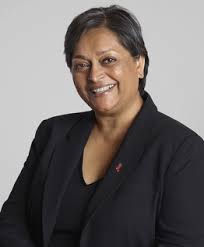
Name: Prof Quarraisha Abdool Karim
Award: 2021 John FW Herschel
Motivation:
Prof Quarraisha Abdool Karim works on policy and programmatic contributions to understanding the evolving HIV epidemic in South Africa; unravelling factors influencing HIV acquisition in adolescent girls and young women; design and evaluation of interventions to prevent HIV infection and developing sustainable strategies to introduce ART in resource-constrained settings and implementation of new HIV prevention technologies.
Name: Prof Leonard Barbour
Award: 2021 John FW Herschel
Motivation:
Prof Len Barbour is one of the two recipients. Prof Barbour’s speciality is Structural Chemistry and Material Science. His lab is the best-equipped of its kind in South Africa and was expanded by building his own workshop in which he makes specialised equipment. This has allowed him to innovate on different aspects of the properties of materials which are highly porous and can be used as storage for gases.
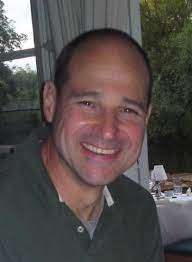

Name: Prof Mike Bruton
Award: 2021 Marloth Medal
Motivation:
His career initally focused on ichthyology and aquatic ecology at Rhodes University and as Director of the South African Institute of Aquatic Biology. Subsequently his contributions focused on science and environmental education, the psychology of learning, the nature of creativity, structure and function of the brain, the history and the development of museums and science centres as well as technological innovation.
Awardees 2020

Name: Prof Glenda Gray
Award: 2020 John FW Herschel Medal
Motivation:
Professor Gray is a paediatrician and a medical scientist. She is widely recognised for her research on the prevention of mother-to-child transmission (PMTCT) of HIV, HIV vaccines and HIV prevention more broadly. Her research has also covered sexual and other risk factors in HIV acquisition, fertility and reproduction in women in the context of the HIV epidemic.
Name: Dr Dyllon Randall
Award: 2020 Meiring Naudé Medal
Motivation:
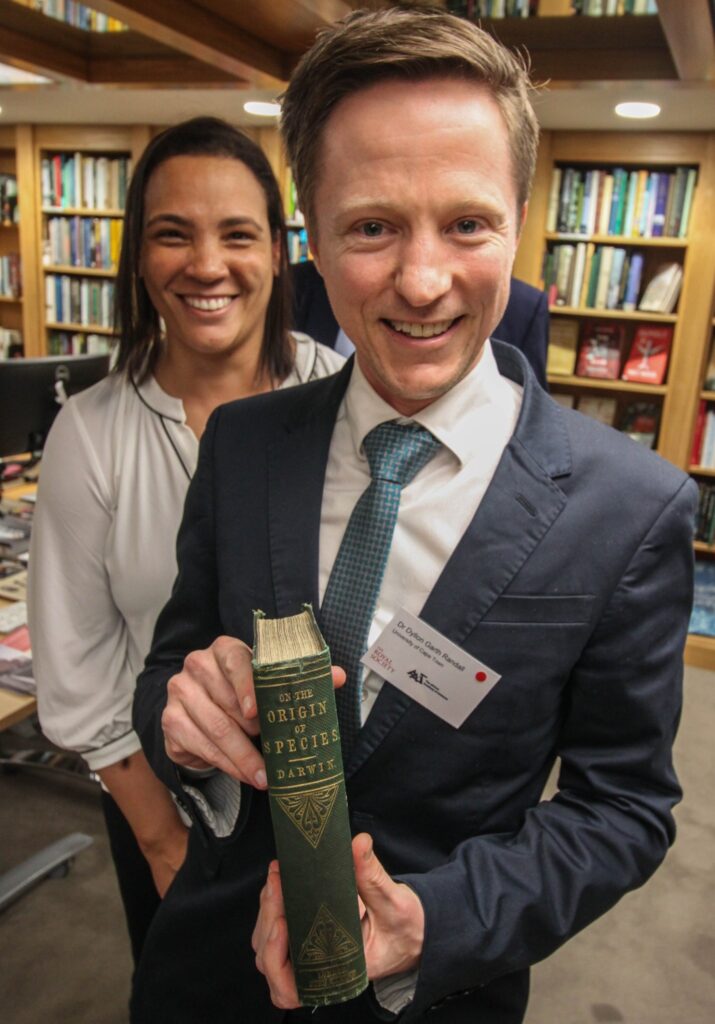
Cape Town narrowly avoided “day zero”, the day their taps were predicted to run dry. As a result of this challenge, Dr Randall and his team developed the world’s first fertilizer-producing urinal that uses no water and does not need to be connected to a conventional sewage line. Dyllon discovered a process for the conversion of urine into bricks. In the picture, he shows an original edition of Darwin’s Origin of Species.

Name: Prof Piet Steyn
Award: 2020 Marloth Medal
Motivation:
Prof Steyn dedicated a lifelong research career to the exploration of mycotoxins. After his retirement he kept on working relentlessly to mentor young scientists and offered his wealth of knowledge to the Research Office of Stellenbosch University.